

Understanding the psychology behind gambling why we take risks in casinos
The Allure of Risk and Reward
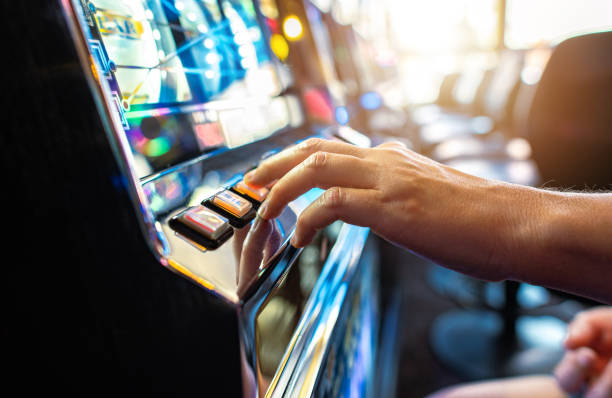
The psychology of gambling is deeply intertwined with the allure of risk and the potential for reward. Many individuals are naturally attracted to the thrill that comes from uncertainty. This excitement often triggers a rush of adrenaline, which can create a euphoric feeling. This phenomenon is amplified in casinos, where flashing lights and engaging sounds stimulate the senses, making every spin of the slot machine or roll of the dice feel exhilarating. One popular option for players is uptownpokiescasino-australia.co, which captures this excitement remarkably well.

The concept of risk-taking is not confined to gambling; it’s a fundamental aspect of human behavior. Studies have shown that when people engage in riskier activities, such as gambling, their brains release dopamine, a neurotransmitter associated with pleasure and motivation. This biochemical reaction can reinforce the behavior, leading individuals to seek out the experience again and again, despite the potential for loss. The anticipation of winning can often overshadow the reality of losing, creating a cycle that keeps players coming back for more.
Moreover, the social environment within casinos contributes significantly to the psychology of gambling. For many, the shared experience of betting with others enhances the enjoyment of the activity. The sense of community, camaraderie, and even competition can encourage players to take risks they might not consider in isolation. This collective atmosphere can create an almost infectious excitement, leading to higher stakes and bolder decisions.
The Illusion of Control
Another psychological aspect that influences gambling behavior is the illusion of control. Many gamblers believe they have the ability to influence the outcome of games, particularly in activities like poker or sports betting. This belief can lead individuals to take unnecessary risks, thinking they can tilt the odds in their favor. This cognitive bias can be dangerous, as it often leads to overconfidence and increased wagers, which can amplify losses.
The illusion of control is often reinforced by a player’s ability to make choices within the game. For instance, in poker, players can select which cards to play, leading them to feel they are actively shaping their destiny. This sense of agency can enhance the gaming experience and encourage players to take greater risks than they would in a purely luck-based game like slots, where outcomes are entirely random.
Furthermore, casinos leverage this psychology by incorporating elements that create a sense of personal involvement. Features such as “near misses,” where a player almost wins, can enhance the feeling of control and keep players engaged. This tactic can create an addictive cycle where players feel compelled to keep betting, convinced that their skills or decisions will eventually lead to a big win.
The Role of Cognitive Dissonance
Cognitive dissonance plays a crucial role in gambling psychology, particularly when players experience a clash between their beliefs and behaviors. Gamblers often hold onto the notion that they can win back their losses, leading them to chase their bets in a desperate attempt to reconcile their initial investment with their ongoing losses. This internal conflict can cause considerable stress and emotional turmoil, yet it also drives continued gambling behavior.
The concept of loss aversion is closely related, suggesting that the pain of losing is more intense than the pleasure derived from winning. This fear of loss can lead players to increase their stakes, as they strive to avoid the discomfort of acknowledging their losses. Rather than withdrawing and reevaluating their strategies, many gamblers plunge deeper into their betting patterns, perpetuating a cycle of high-risk behavior that may ultimately lead to significant financial repercussions.
On a psychological level, this dissonance can create a justification mechanism for continued gambling, as players might rationalize their choices with thoughts like “I’m due for a win” or “I can’t walk away now.” These mental shortcuts serve to alleviate the guilt associated with their losses, enabling them to maintain their gambling habits without facing the reality of their situation.
The Impact of Environment on Gambling Behavior
The environment within casinos is designed to entice and encourage players to gamble more. Everything from the layout of the gaming floor to the sounds and scents is meticulously crafted to create an immersive experience that promotes risk-taking. The absence of windows and clocks can disorient players, making them lose track of time and encouraging longer gambling sessions.
Additionally, the presence of other gamblers can create a sense of competition and urgency, pushing individuals to place larger bets. The atmosphere of excitement and tension within the casino can amplify risk-taking behaviors as players feed off each other’s energy. This social pressure often leads individuals to take risks they might not consider in a more subdued setting.
Casinos also employ various marketing tactics to lure players into their establishments. Promotions, loyalty programs, and free offers can entice individuals to gamble more than they originally intended. These incentives can manipulate psychological triggers that encourage players to exceed their limits, leading to potentially risky behavior. Ultimately, the carefully crafted environment of casinos significantly influences gambling behavior and risk-taking tendencies.
Uptown Pokies Casino: A Unique Online Gaming Experience
Uptown Pokies Casino exemplifies the modern evolution of gambling, offering Australian players an exciting online platform that combines convenience with a rich gaming experience. With an impressive selection of over 2,600 games, players can explore various options, from popular pokies to live dealer games, all from the comfort of their homes. This accessibility introduces a new layer of risk, as players may feel more inclined to gamble without the immediate social accountability found in a traditional casino.
The casino’s generous welcome bonus and ongoing promotions create a compelling reason for players to engage with the platform, potentially leading them to take more risks than they normally would. The combination of enticing offers and the engaging gaming environment can make it easier for individuals to lose track of their spending. Additionally, the commitment to player security ensures that users can engage in their gambling experience with peace of mind.
As online gaming continues to gain popularity, understanding the psychology behind gambling becomes increasingly important. Uptown Pokies Casino represents not just a venue for entertainment, but also a case study in how environment, incentives, and psychological triggers can influence player behavior. By recognizing these factors, players can better navigate the complexities of online gambling while making informed decisions about their gaming habits.